




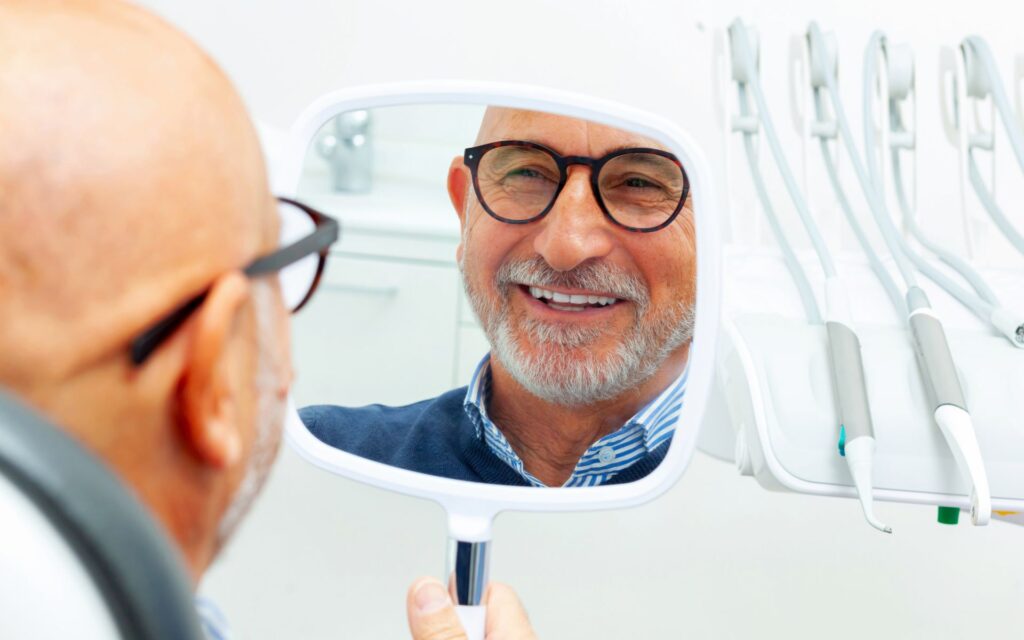
How long does it take to heal after a dental implant? Healing times vary from patient to patient and depend primarily on the osseointegration process—that is, the gradual integration of the implant with the bone.
In this article, you’ll learn how the recovery process works after an immediate-load dental implant, what to expect during the various stages of recovery, and the precautions that can promote proper healing.
Recovery After a Dental Implant: Healing Times and Stages of Recovery
Healing after dental implant surgery occurs gradually and involves both the soft tissues (gums) andthe bone that supports the implant.
While the gum tissue tends to heal within a few weeks, osseointegration takes longer and can take up to 6 months to complete, depending on the arch being treated, the characteristics of the bone, and the specific clinical case.
Each patient therefore has a different recovery time, which is monitored during follow-up visits.
The first 48–72 hours after surgery
The first few hours are the most delicate phase of recovery. Immediately after surgery, it is perfectly normal to experience mild discomfort, slight swelling, and some light bleeding.
During this phase, a blood clot forms, which is essential for protecting the wound and promoting the start of the healing process.
To facilitate recovery, it is recommended that you:
- Complete rest for the first 24–48 hours
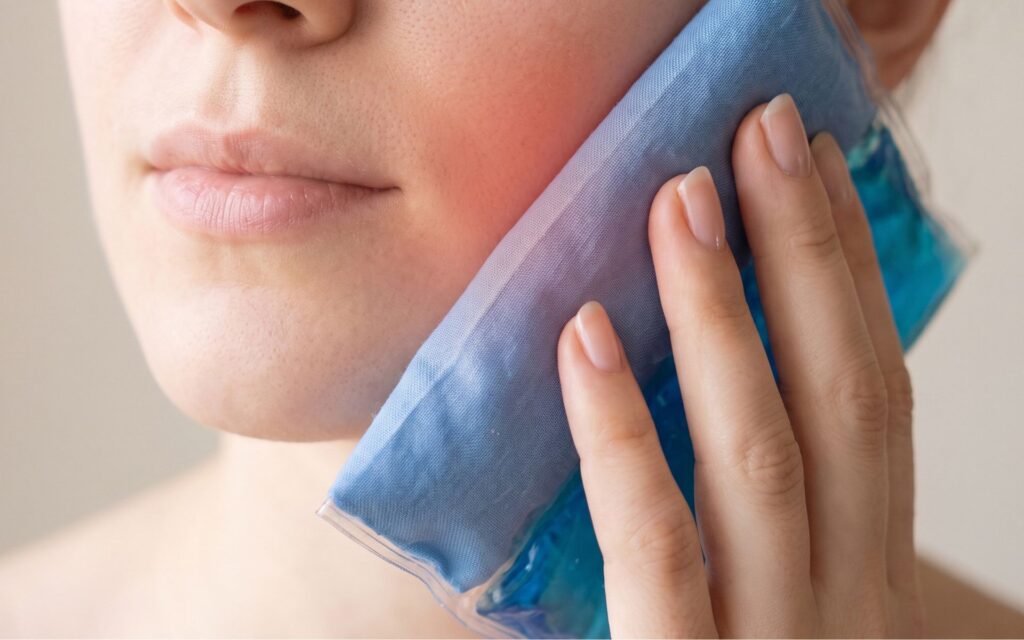
- Apply ice to your cheek as directed
- sleep with your head slightly elevated
- strictly follow the prescribed treatment
- Focus on a cold, liquid diet with a soft consistency.
Experiencing mild discomfort after a dental implant procedure is generally normal. However, if the pain worsens, persists, or is accompanied by other unusual symptoms, you should contact your dentist.
From the First Week to the First Month
As the days go by, the swelling and discomfort gradually subside, and the gums continue to heal.
When scheduled, sutures are generally removed after about 7–14 days. In most cases, you can resume your normal daily activities after just a few days. However, it is advisable to avoid strenuous physical activity for the first 48 hours and to practice gentle oral hygiene.
2 to 6 months: Osseointegration and implant stability
During this phase, bone gradually grows around the surface of the titanium implant and forms a stable bond that will allow it to support the future prosthesis.
It is this natural process—rather than simply the healing of the gums—that determines the actual healing time for a dental implant.
Placement of the Permanent Prosthesis
Once the osseointegration period is complete, the crown or permanent prosthesis can be placed.
Generally, this phase takes place about 6 months after surgery, but the timing may vary depending on the patient’s clinical condition and treatment plan. The permanent prosthesis is placed once the implant has achieved sufficient stability to withstand the forces of chewing over time.
The Healing Screw: What It’s Used For During Recovery
During the implant procedure, a small metal component may be placed that is visible on the gum: this is the healing abutment, a temporary component that prepares the tissues to receive the final prosthesis.
What Is the Healing Vine?
The healing screw is a small component that is screwed onto the implant to guide proper gum healing. Its purpose is to shape the soft tissues, creating adequate space for the future prosthetic tooth.
When it is applied and removed
The healing screw can be placed at the same time as the implant or at a later date, once osseointegration is complete. The choice depends on the surgical protocol used and the characteristics of the clinical case. Once tissue and bone healing are complete, the screw is removed to allow for the placement of the crown or the final prosthesis.
Recovery After a Dental Implant: Tips to Promote Healing
Following the instructions provided by your dentist helps ensure proper healing and reduces the risk of complications. Understanding the key precautions to take after a dental implant allows you to go through the recovery period with greater peace of mind and promotes proper osseointegration.
Some precautions apply to all patients, while others may vary depending on the type of procedure and the treatment plan.
Key Precautions After a Dental Implant
In the days following surgery, it is generally recommended that you:
- follow the prescribed medication regimen
- Apply ice during the first few hours, as directed
- Avoid sports and strenuous activity for at least 48 hours
- Do not smoke, or cut down on smoking as much as possible
- Attend scheduled checkups regularly.
Eating After a Dental Implant
In the first few days after surgery, it is advisable to choose foods that do not require vigorous chewing and that do not irritate the surgical site.
As a general rule, it is best to follow these guidelines:
| When | Recommended Foods |
| First Day | Cold or room-temperature foods with a soft texture, such as yogurt, ice cream, smoothies, purees, or cream soups. |
| First Week | Soft foods such as well-cooked pasta, eggs, fish, fresh cheeses, and cooked vegetables. |
| Next | You can gradually return to your normal diet by following your dentist’s instructions and initially avoiding very hard or crunchy foods in the treated area. |
Chewing should also be resumed gradually, using the side opposite the implant whenever possible.
Oral Hygiene During Healing
Maintaining good oral hygiene is also essential during recovery.
In the first few days, it is important to gently brush your teeth and avoid irritating the treated area. When prescribed by your dentist, using a specific mouthwash may be recommended to help control bacterial plaque.
Once healing is complete, maintaining good oral hygiene, along with regular checkups, will also be essential for preserving the longevity of the dental implant over time.
When might recovery take longer?
The healing time for a dental implant varies from person to person. Certain conditions can slow down osseointegration and require more frequent follow-up visits.
Some of the main factors that can influence healing include:
- smoke
- poorly controlled diabetes
- the need for bone regeneration procedures
- Rehabilitation with Multiple Implants
- poor oral hygiene
- specific general health conditions.
This does not mean that the treatment is not recommended, but simply that it will be necessary to develop a personalized treatment plan and carefully follow the specialist’s instructions.
A journey guided every step of the way: our personalized approach to dental implants
At Centri Dentali Zanardi, we provide each patient with personalized instructions before and after the procedure, because following the proper precautions after a dental implant and carefully managing the recovery period are essential steps for the long-term success of the treatment.
If you’d like to learn more about how dental implants work, the different techniques available, and the stages of treatment, you can also check out our comprehensive guide to dental implants. Understanding the treatment process helps you approach each stage with greater awareness.
Book a specialist appointment and find out at
which treatment plan can help you regain a natural smile