




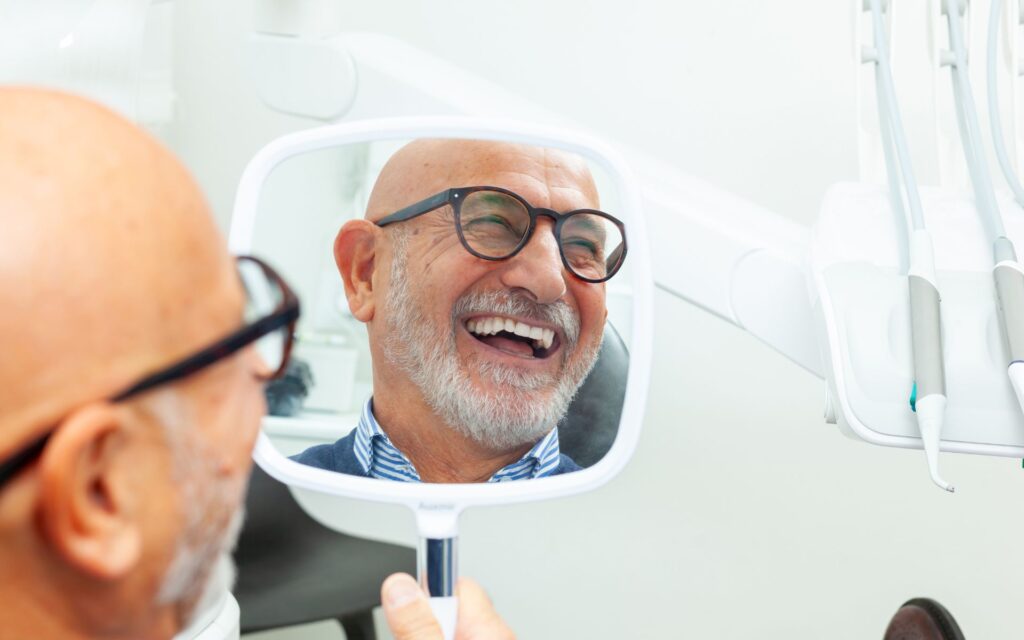
When one or more missing teeth need to be replaced, the most common fear concerns pain: understanding whether a dental implant hurts is often the first step before making a decision.
In fact, the idea of surgery in the mouth can inspire some fear, especially if one does not know what to expect. In reality, implantology today is a precisely and carefully planned procedure that is safe and well tolerated by most patients.
So let’s take a look at whether putting in a dental implant really hurts, how the procedure takes place, and what sensations to expect in the days immediately afterwards.
Does it hurt to put in a dental implant?
The answer is in most cases reassuring: during surgery the patient does not experience pain.
In fact, due tolocal anesthesia, the affected area is rendered numb before the procedure begins. During the procedure, the patient may experience pressure sensations or slight vibrations, but no pain. Many describe dental implant surgery as similar in perception to normal dental care, such as a filling or devitalization.
How dental implant surgery is performed
Dental implant surgery involves inserting a small titanium screw into the bone, which serves as an artificial root for the future tooth.
After anesthesia, the dentist gently prepares the implant site and places the implant with dedicated instruments and controlled protocols.
During surgery, the patient may experience:
- a feeling of pressure
- slight vibrations
- the noise of the instruments
These are normal perceptions related to the procedure, not pain.
Duration varies depending on the number of implants and clinical complexity.
What kind of anesthesia is used for a dental implant?
In most cases,local anesthesia is used, the sameanesthesia also used for other dental therapies. It is safe and effective and allows the procedure to be performed in total comfort.
For those experiencing particular anxiety, conscious sedation, a technique that promotes relaxation and cooperation during the procedure, may be evaluated.
In Centri Dentali Zanardi this option, performed by the anesthesiologist or experienced dentist, is offered when indicated, always in accordance with safety protocols.
Find out how the conscious sedation can help you face the surgery with greater peace of mind!
After surgery: what it really feels like
After the anesthesia has worn off, it is normal to experience mild discomfort in the treated area.
They can appear:
- slight swelling
- pressure sensitivity
- localized soreness
After surgery to place a dental implant, however, it is important to distinguish between “ache” (intense pain) and postoperative discomfort: in most cases these are physiological reactions that can be controlled with common painkillers and tend to subside gradually in a short time.
What factors influence discomfort after placing a dental implant?
The intensity of postoperative discomfort varies according to different clinical and individual elements.
- Number of implants placed: a single implant involves less biological commitment than more extensive rehabilitations.
- General health condition: individual healing ability affects recovery time.
- Quantity and quality of available bone: bone grafting may be necessary in some cases.
- Surgical technique adopted: minimally invasive procedures reduce swelling and recovery time.
- Planning and operational precision: accurate diagnosis and controlled execution help make intervention more predictable.
How long does it take to recover from dental implant surgery?
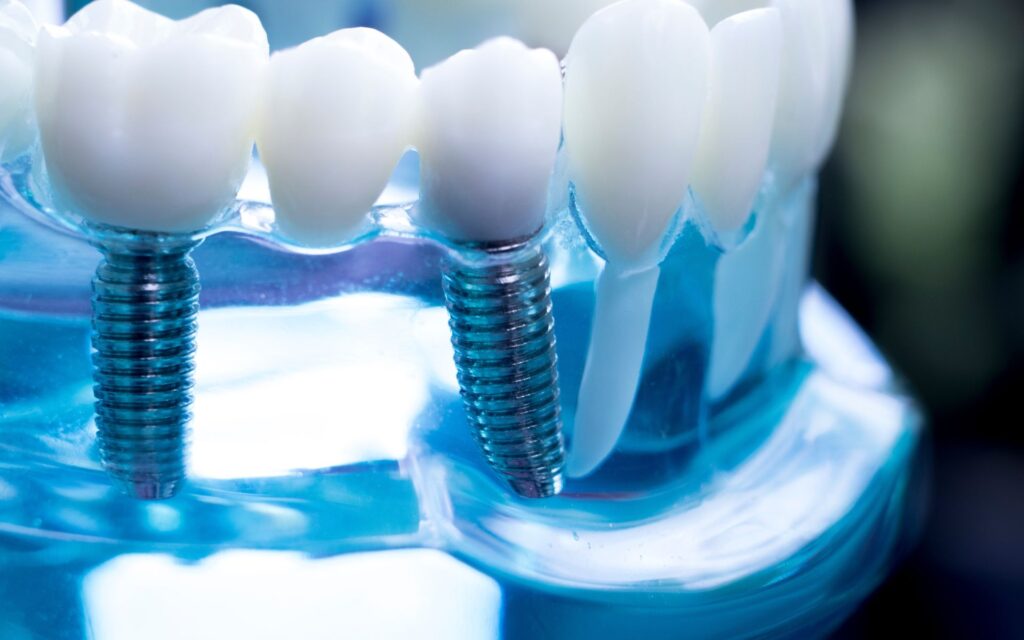
Recovery usually takes a few days. Swelling tends to subside as early as 48-72 hours, so normal daily activities can be resumed quickly.
Osseointegration, that is, the process of integrating the implant with the bone, on the other hand, takes up to 6 months, but occurs without any particular inconvenience in everyday life.
How to reduce pain and promote optimal healing: some postoperative tips
Carefully following postoperative instructions helps reduce discomfort and promotes smooth healing.
Here are some expedients:
- Apply ice externally in the early hours
- Limit intense physical activities in the days immediately following
- Choose soft and fresh foods, avoiding chewing in the treated area
- Maintain good oral hygiene, following the instructions received for the operated area
- Avoid smoking and alcohol, which can slow the healing process
- Take any prescribed medications in accordance with the directions
- Show up for scheduled checkups to monitor the course
Any persistent or unusual symptoms should always be reported to the study for timely evaluation.
Careful maintenance also affects the stability of the implant over time, an aspect closely related to the durability of the dental implant.
How we approach dental implant surgery at Centri Dentali Zanardi
At Centri Dentali Zanardi, every dental implant procedure is preceded by a thorough evaluation and personalized planning to reduce unforeseen events and make the procedure more comfortable.
The clinical experience of Dr. Federico Zanardi and the entire team, combined with the use of up-to-date technologies allow even complex situations to be addressed with proven protocols.
The durability of the implant over time depends on the combination of accurate diagnosis, surgical technique, and proper maintenance, as already described in our comprehensive guide on dental implants.
Having clear information about how dental implant surgery is performed helps turn fear into an informed choice for the health of one’s smile.
Book a personalized assessment and receive a tailored plan