




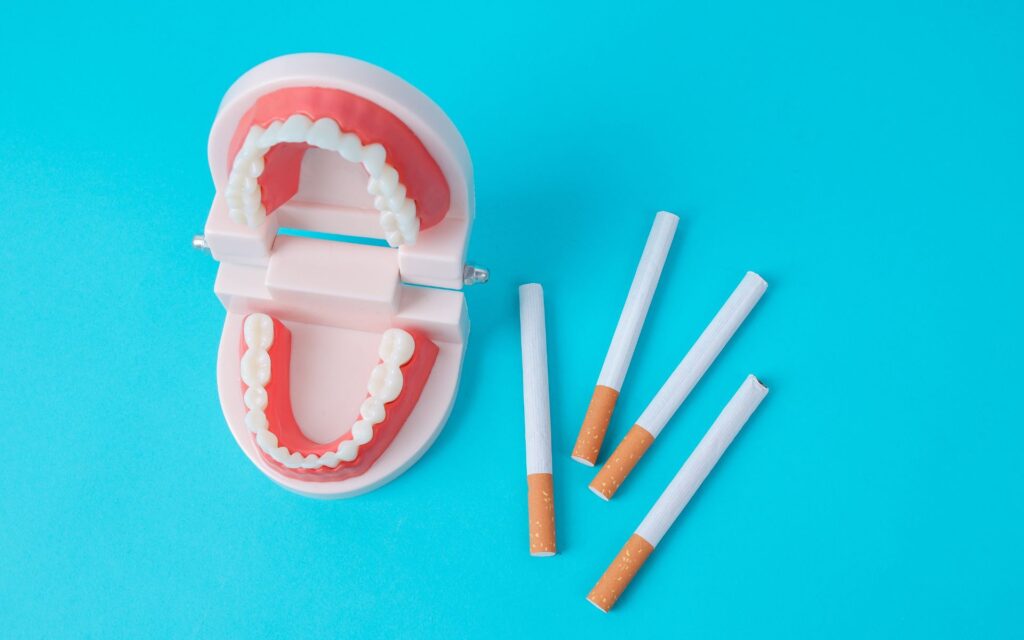
Can smokers get dental implants? Yes, in most cases, smoking is not an absolute contraindication for dental implants. However, smoking increases the risk of complications, slows tissue healing, and can affect the osseointegration process—that is, the integration of the implant with the bone.
For this reason, if you are a smoker and are considering dental implants, it is important to understand the relationship between dental implants and smoking, how tobacco can affect the treatment, and what steps you can take to help protect the results over time.
Dental Implants and Smoking: What’s the Connection?
With proper planning, dental implants and smoking are not necessarily incompatible, but extra care is needed before, during, and after treatment.
Nicotine actually causes temporary vasoconstriction, which reduces the flow of blood, oxygen, and nutrients to the gums and bone structures. During the healing process following implant placement, these elements are essential for promoting tissue healing and osseointegration: when blood supply decreases, healing can therefore be slower and less efficient.
However, this does not mean that a smoker cannot undergo dental implant surgery. With proper case selection, careful planning, and adherence to postoperative instructions, reliable results can be achieved even in patients who smoke.
Can You Smoke After Getting a Dental Implant? What to Do in the First Few Days
It is recommended that you avoid smoking during the first 48–72 hours after surgery. This is the initial phase of healing, during which the tissues begin to heal and the implant begins the process of osseointegration.
Why It’s Important to Avoid Smoking Immediately After Surgery
After the implant is inserted, a stable clot forms to protect the wound. The heat and substances contained in the smoke can:
- impede clot formation and stability
- slow down tissue healing
- increase the risk of inflammation and infection
- interfere with the osseointegration process.
Following all of the dentist’s instructions during this phase will help ensure a comfortable postoperative recovery without any complications.
When can you start smoking again after getting a dental implant?
There is no one-size-fits-all answer. The likelihood of resuming smoking depends on the type of procedure and the patient’s clinical condition. It also depends on how the healing process is progressing.
Your healthcare professional will provide personalized guidance. In general, reducing or quitting smoking during the healing period helps promote proper tissue healing and increases the likelihood of treatment success.
Smoking after dental implant surgery compromises the long-term results
Even after the healing phase is complete, smoking continues to pose a health risk to dental implants. Over time, it can contribute to inflammation of the mucous membranes and gum tissues and increase the risk of progressive loss of supporting bone, thereby compromising the stability of the restoration.
The risk tends to increase with the number of cigarettes smoked and the number of years of exposure to tobacco. For this reason, in addition to reducing cigarette consumption, it is essential to maintain proper oral hygiene and undergo regular checkups and professional cleanings.
Peri-implantitis: The Main Long-Term Complication
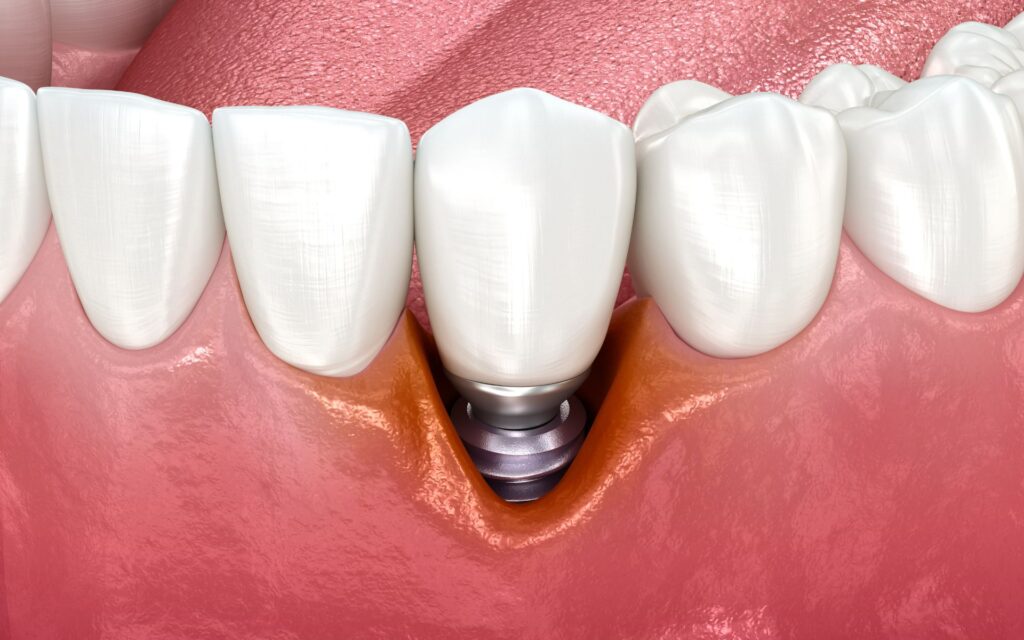
The main complication associated with smoking is peri-implantitis, an inflammation of the tissues surrounding the implant that, if left untreated, can lead to progressive loss of supporting bone.
For this reason, even when modern techniques such as immediate-load implants—which allow for the placement of a fixed temporary prosthesis very quickly—the success of the treatment also depends on adherence to postoperative instructions and a proper long-term maintenance program.
How to Protect Your Dental Implants If You Smoke
Being a smoker doesn’t necessarily mean you have to give up on dental implants. Adopting a few good habits can help promote the health of the peri-implant tissues and preserve the results over time.
Some of the most useful tips include:
- reduce cigarette consumption in the days leading up to and following surgery
- Maintain thorough oral hygiene after every meal
- Use specific tools, such as implant floss or a water flosser, when recommended by your dentist
- Follow the schedule for hygiene appointments and checkups at the office
- Always tell your healthcare provider about your smoking habits so you can receive personalized advice.
Smoking can mask the signs of periodontitis
The effects of smoking not only affect the healing process but can also influence the diagnosis of certain oral diseases, such as periodontitis.
Due to vasoconstriction, gum bleeding—one of the main signs of periodontal disease—may be less noticeable or even absent. As a result, the disease can progress silently and become more difficult to detect in its early stages. By the time symptoms such as tooth mobility or other problems appear, the disease is often already at an advanced stage.
For this reason, follow-up visits and professional cleanings play an even more important role for patients who smoke in detecting any signs of inflammation at an early stage.
Centri Dentali Zanardi: A personalized treatment plan, even for smokers
At Centri Dentali Zanardi, every implant treatment plan is tailored to the patient’s individual habits, including smoking. After a thorough clinical evaluation, we determine the most appropriate treatment plan and provide precise instructions for the post-operative phase and long-term maintenance, with the goal of preserving the stability of the implants over the years.
Are you a smoker and considering dental implants?
Schedule a comprehensive exam