




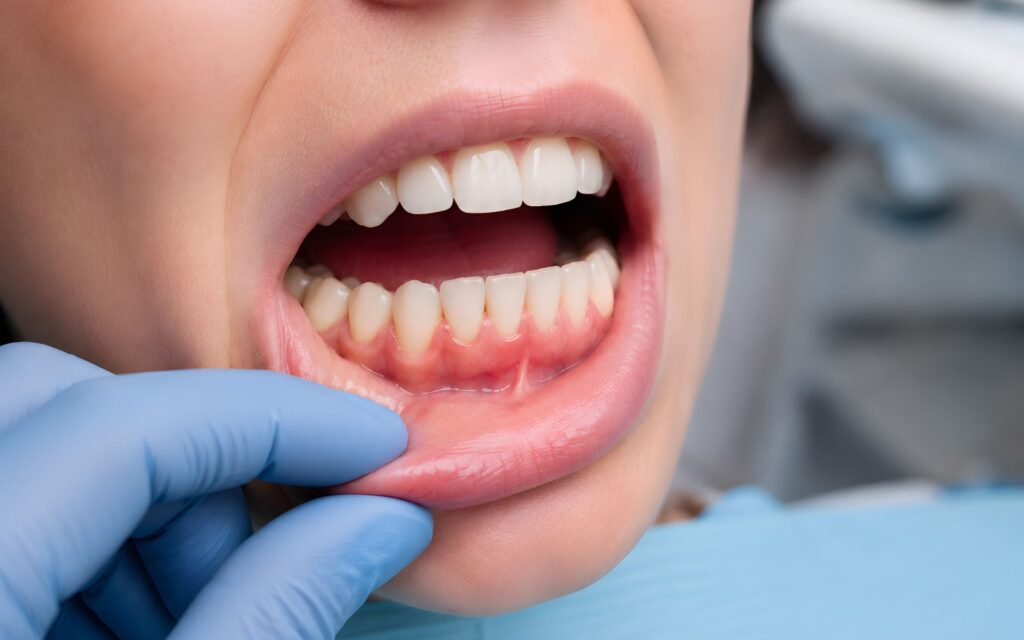
Do your teeth suddenly seem “longer,” or do you feel discomfort when you drink something cold? These are typical signs of a common problem: gum recession. Understanding the causes of gum recession is the first step in preventing what starts as a simple cosmetic issue from turning into structural damage to your mouth.
Because the process is often slow and painless, many people underestimate it. Early intervention, however, can halt its progression and preserve dental health over time.
What Is Gum Recession and Why It Shouldn’t Be Ignored
Gum recession is the shifting of gum tissue toward the root, resulting in exposure of the cervical region—that is, the area between the crown and the root.
In a healthy mouth, the gums form a perfect seal around the tooth, thereby protecting the root. However, when this balance is disrupted, the root surface is left exposed to bacteria and external stimuli.
Ignoring the problem increases the risk of progressive complications. Receding gums can, in fact, promote the buildup of bacteria, increase tooth sensitivity, and, in more advanced cases, compromise the bone supporting the teeth. When the condition progresses to periodontitis, it can lead to loose teeth and even tooth loss.
The Causes of Gum Recession: What Contributes to It
There are various causes of gum recession, and they often occur together. In fact, in most cases, the problem stems from a combination of poor habits, medical conditions, and individual predisposition.
Incorrect, insufficient, or overly aggressive oral hygiene
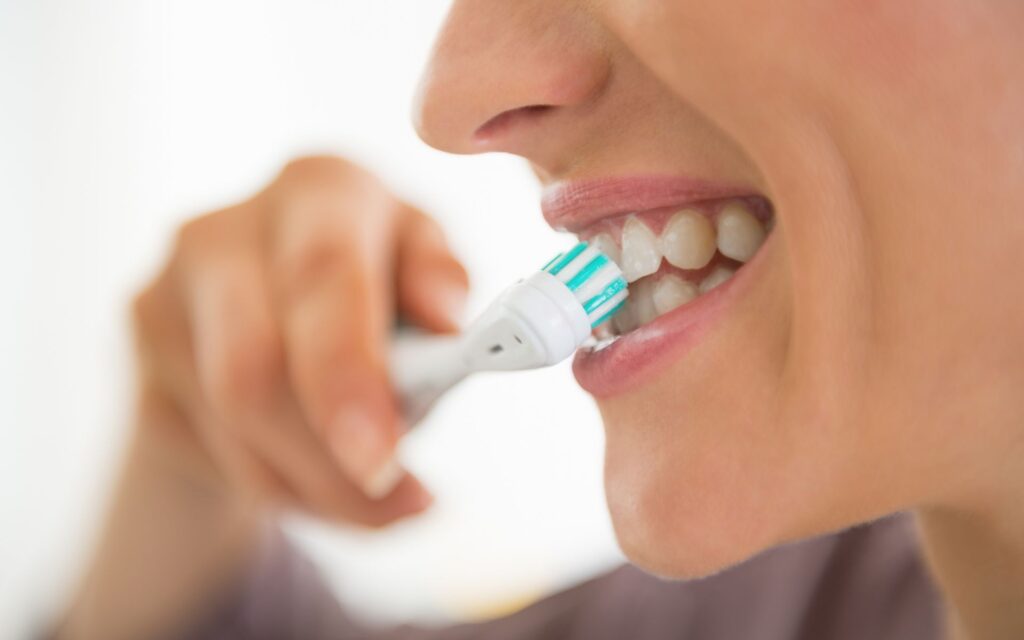
Brushing too vigorously, using hard-bristled toothbrushes, or making aggressive horizontal movements can, over time, wear down the tissues. This is one of the most common causes of gum recession, especially in younger patients.
Gum Diseases (Gingivitis and Periodontitis)
The buildup of bacterial plaque in the sulcus between the tooth and gum can, over time, lead to gingivitis,an inflammation of the gums that often manifests as redness, swelling, and bleeding.
If not treated promptly, gingivitis can progress to periodontitis, a more advanced condition that affects the tissues supporting the teeth and causes bone loss.
In both cases, receding gums are often one of the first visible signs of an underlying problem.
Genetic predisposition and anatomical factors
Some people have naturally thinner gums (delicate gingival biotype), which are more prone to recession. Misaligned teeth, malocclusions, or the presence of frenula and oral piercings can also contribute to the problem.
Bruxism and Lifestyle
There are also certain bad habits and situations that can accelerate gum recession:
- bruxism, which puts excessive pressure on the teeth
- smoking, which reduces blood flow to the tissues and slows down healing after even minor surgical procedures, such as tooth extractions
- repeated microtraumas, even minor ones.
Systemic conditions such as diabetes or medications that reduce saliva production (for example, certain antidepressants or antihypertensives) can also make tissues more vulnerable.
How to Recognize Gum Recession: Signs You Shouldn’t Ignore
In the early stages, gum recession may go unnoticed. Over time, however, certain signs become more obvious:
- Tooth sensitivity, especially to hot, cold, or acidic foods
- visual changes, such as teeth that appear longer or a darker or yellowish area near the gum line
- bleeding and inflammation, often accompanied by red or swollen gums
- Persistent bad breath, which may indicate the presence of inflammation.
Gum Recession: What Are the Risks If Left Untreated?
Ignoring gum recession can lead to more serious consequences over time, including:
- increased risk of root caries
- deterioration inthe appearance of one’s smile
- progression to periodontitis
- greater tooth mobility in advanced cases.
Early diagnosis allows for simpler and more effective treatment.
How to Stop Gum Recession: Solutions
Treatment for gum recession varies depending on the causes and severity of the gum recession, but always has two goals: to stop its progression and to protect the teeth.
Improve Your Oral Hygiene Habits
Using the correct technique and a soft-bristled toothbrush is the first step in preventing further damage to your gums.
Regular checkups and professional dental cleaning
Professional dental cleanings remove plaque and tartar even from the hardest-to-reach areas. In addition, regular checkups help detect any problems early on.
Specific treatments for the most advanced cases
When the recession is more severe, the dentist may recommend targeted treatments such as:
- application of protective materials (resins or sealants)
- root-covering procedures
- gum grafts
- periodontal or orthodontic treatments.
In mild cases, improving oral hygiene may be enough to stabilize the situation. However, when the tissue is more severely damaged, treatment is necessary to restore protection and aesthetics.
Can gum recession be prevented? Let’s address the causes
To prevent recession, it is essential to address the factors and causes of gum recession directly. In this regard, prevention is one of the most effective ways to protect gum health over time.
- Avoid mechanical trauma by using a gentle brushing technique and appropriate tools
- Keep plaque and gum inflammation under control with regular checkups
- Watch for any early signs, such as sensitivity or minor changes in the gum line.
With a targeted preventive approach, you can protect your gums and avoid more complex procedures in the future.
Treat gum recession with a personalized approach at Centri Dentali Zanardi
At Centri Dentali Zanardi, we address the causes of gum recession with a personalized treatment plan: we analyze the overall balance of the mouth, including chewing function, tissue thickness, and daily habits, to reduce the risk of recurrence.
Thanks to advanced diagnostic technologies and a team of experts in periodontology, we offer tailored solutions—from prevention to minimally invasive reconstructive treatments—to protect your teeth and enhance the beauty of your smile.
Have you noticed increased sensitivity or any changes in your gums?