




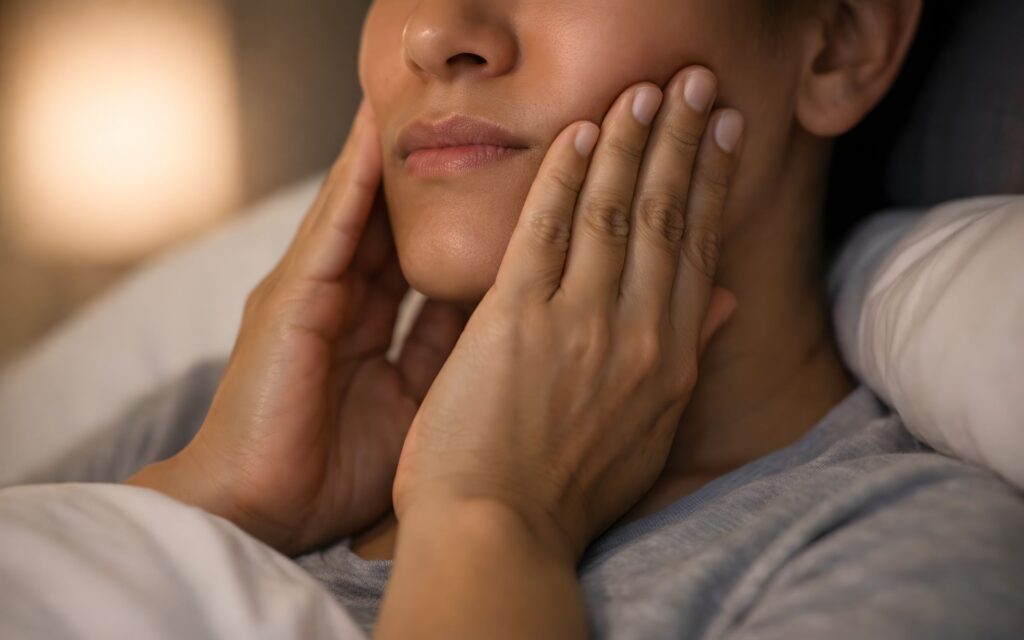
The symptoms of bruxism can appear gradually and go unnoticed for a long time, especially when they occur during sleep. In fact, bruxism is an involuntary habit involving teeth and muscles of mastication, often without the person being aware of it.
Detecting these signs in the early stages is key to targeted intervention and avoiding progressive damage to oral health.
What is bruxism and how it manifests itself
Bruxism is an involuntary activity that leads to clenching or grinding of the teeth.
It is mainly distinguished into:
- Nocturnal (grinding), grinding during sleep, completely involuntary
- diurnal (clenching), clenching often related to times of concentration or stress.
In some cases, less obvious movements may also appear, such as slight “chattering” of the teeth(tapping), often associated with states of tension or restlessness. However, these are less frequent manifestations, falling within the same framework of hyperactivity of the masticatory muscles.
Symptoms of bruxism: how to recognize the most common signs
Symptoms of bruxism can involve the teeth as well as the muscles and joints-which is why they are often improperly attributed to other causes.
Enamel and sensitivity
Teeth with worn edges, flattened surfaces or small chips indicateprogressive enamel wear. Increased sensitivity to heat and cold may also appear in some cases.
These signs tend to develop slowly, but can be detected during a dental examination.
Muscle and joint symptoms
Bruxism also involves the muscles of mastication and the temporomandibular joint (TMJ ), and can cause:
- pain or tension in the jaw
- Headaches, especially upon waking
- neck and shoulder stiffness
- Noises or “clicks” when opening the mouth
- disturbed or unrestful sleep
Other less obvious signs of bruxism
In addition to the better-known symptoms, bruxism can also manifest with more nuanced signs not immediately related to the mouth:
- Feeling of fatigue in the eye or forehead area
- sore tongue or with small marks along the edges, due to repeated contact with the teeth during clenching
- “Full ear” sensation or widespread discomfort in the ear area.
These are indirect, but useful signs to complete the picture about bruxism.
Why does it happen? The main causes of bruxism
There are many causes of bruxism: rather than a single factor, it is a combination of elements involving emotional sphere, habits and functional conditions.
The role of stress in bruxism
Stress, anxiety and emotional tension are among the most common causes. Clenching one’s teeth can become a psychosomatic response: during sleep, the brain attempts to “chew up” the day’s worries, unloading anxiety onto the muscles of the mouth.
Malocclusion and mechanical factors
Improper closing of the dental arches can also promote bruxism: a malocclusion can push the muscles to seek a position of balance that does not exist, thus triggering the grinding cycle.
Want help recognizing the symptoms of a dental malocclusion?
The consequences of bruxism: what happens if no action is taken
Bruxism tends to worsen over time and, if left unmanaged, can have a progressive impact on teeth and overall well-being.
- Irreversible damage: visibly shorter and more brittle teeth. In these cases, reconstruction with veneers or, in more advanced cases, crowns may be necessary.
- Joint and muscle problems: persistent jaw pain or chronic muscle tension.
- Traumatic periodontitis: excessive pressure can inflame the supporting tissues of the tooth.
- Impact on quality of life: in addition to frequent headaches or migraines, bruxism can affect sleep quality and stress level.
Solutions for bruxism: how to protect teeth and well-being
The good news is that, once identified, bruxism can be effectively managed.
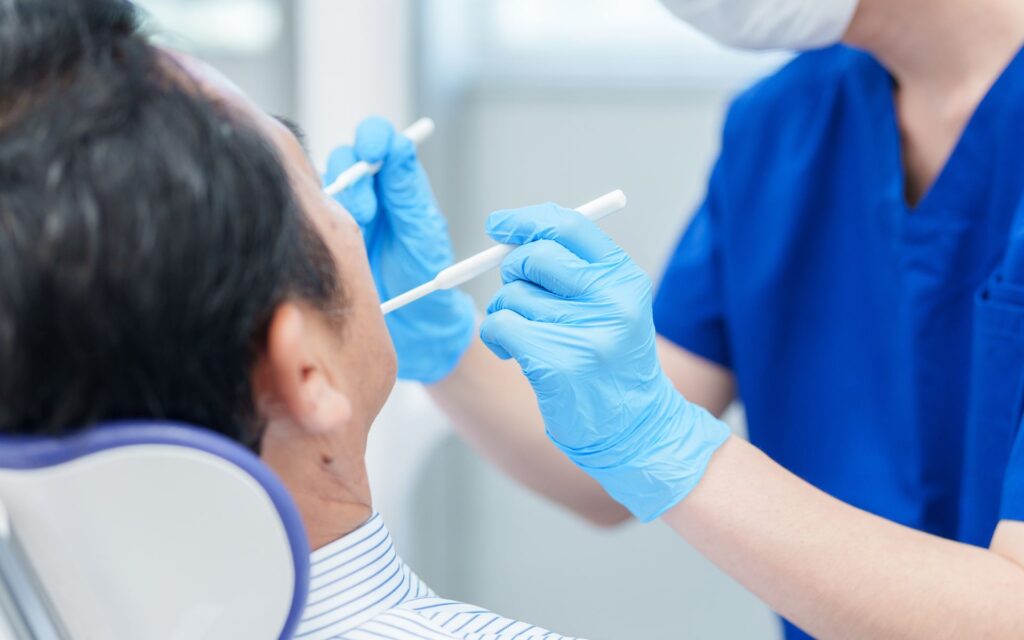
Diagnosis is made during the dental examination, through analysis of the teeth, muscles, and joints. Then, a personalized course is defined based on the causes and intensity of the problem, with the goal of protecting the teeth and reducing stresses on the entire masticatory system over time.
Overnight bite: the most common solution
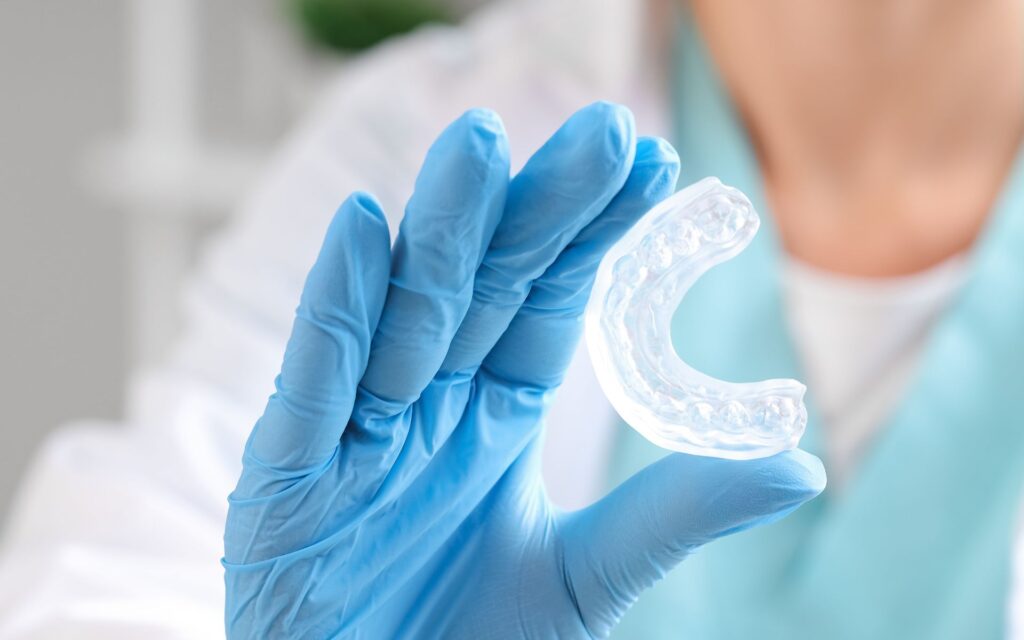
The splint is a custom-made device to be worn at night. It acts as a protective barrier between the dental arches, which reduces tooth wear and helps relax the jaw muscles.
It is an effective solution and is often the first step in treatment.
Integrated approach: beyond the bite
For comprehensive management of bruxism, it may be useful to flank:
- relaxation and stress management techniques
- Attention to sleep quality through a regular routine that reduces evening stimuli, e.g., use of blue screens
- mandibular physiotherapy, useful for loosening chronic contractures of the masseter muscles.
When the problem is related to tooth closure, an orthodontic treatment to restore functional balance.
How we treat bruxism at Centri Dentali Zanardi
At Centri Dentali Zanardi, bruxism is addressed with a comprehensive evaluation that considers teeth, muscles, and jaw function.
Through advanced diagnostic technologies and customized devices, specific causes can be identified and a tailor-made course can be defined.
Have you noticed jaw tension or signs of wear on the teeth?