




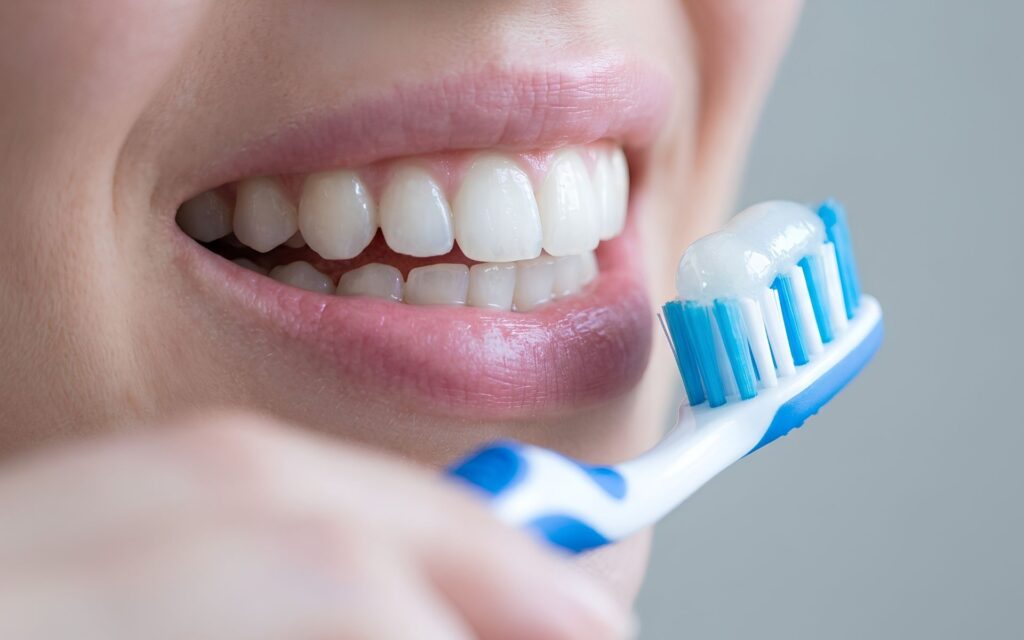
Dental prevention refers to the combination of daily habits and professional checkups that protect your teeth and gums before a problem arises. It is based on three pillars: proper oral hygiene at home, checkups every 6–12 months, and professional cleanings, typically every 6 months. Detecting cavities or gingivitis in their early stages means treating them with simple, conservative procedures, rather than resorting to complex interventions.
How Does Plaque Form, and When Does It Turn Into Tartar?
Oral diseases rarely appear suddenly. They develop from the buildup of bacterial plaque, a film that reforms on the surface of the teeth within a few hours, especially in the spaces between the teeth and along the gum line.
If it is not removed every day, plaque begins to mineralize and, within 24 to 72 hours, turns into tartar—a hard deposit that cannot be removed with a toothbrush. Tartar traps the bacteria responsible for tooth decay and gum inflammation and can only be removed throughprofessional dental cleaning.
Prevention breaks this chain at the point where it is still easy to intervene.
Dental care starts at home: the daily habits that make a difference
Home hygiene is the first line of defense. It is based on three actions:
Brushing Your Teeth the Right Way
Brushing is the action that removes most of the plaque. The guidelines are as follows:
- Brush at least twice a day, in the morning and at night, for about 2 minutes each time
- Use a soft- or medium-bristled toothbrush—manual or electric—and replace it every 3 months, or sooner if the bristles become bent.
- Gently move the brush over all surfaces, including the inner surfaces and the gingival sulcus
- Use a fluoride toothpaste containing at least 1,000 ppm of fluoride
- Clean your tongue, where bacteria that cause bad breath accumulate
Brushing should be thorough but not aggressive. Excessive pressure irritates the gums and, over time, can cause tooth sensitivity and gum recession.
Mouthwash is a useful supplement in certain situations, but it is not a substitute for brushing your teeth.
Dental Floss and Interdental Brushes: When a Toothbrush Isn’t Enough
A toothbrush reaches about 60% of the tooth’s surface. The remaining portion is located between the teeth, and that is precisely where cavities and inflammation most often develop.
- Dental floss, recommended for tight spaces, once a day, preferably in the evening
- interdental brushes, when the spaces are wider or when fixed braces are in place
- oral irrigator, a useful accessory for people who wear braces, dental implants, or fixed dentures
Diet and Lifestyle
Certain everyday habits directly affect oral health:
- Frequent consumption of sugar, especially between meals, because frequency matters more than quantity
- smoking, which reduces oxygenation of the gum tissues and masks bleeding, delaying the diagnosis of periodontitis
- insufficient hydration, which reduces saliva production and its protective effects
- a diet low in calcium, vitamin C, and vitamin D
Health and Safety Inspections: How Often Should They Be Conducted?
No matter how thorough home oral hygiene may be, it can’t reach every area. Professional cleanings remove tartar and plaque from hard-to-reach areas and allow for ongoing monitoring of the condition of your teeth and gums.
The approximate frequencies are:
- Follow-up visit every 6 to 12 months
- Professional dental cleaning every 6 months for patients without risk factors
- Professional dental cleaning every 3–4 months for smokers, patients with periodontitis in the maintenance phase, people with diabetes, and those with dental implants or fixed dentures
The frequency of follow-up visits is determined by the dentist based on the patient’s individual tendency to develop tartar and the presence of dental restorations or reconstructive work.
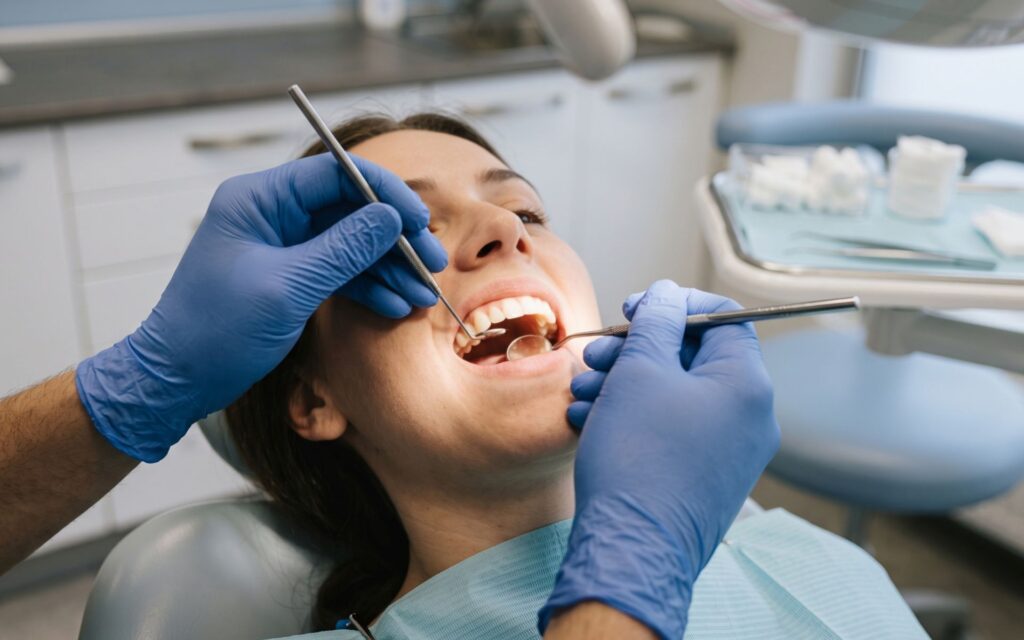
Tartar Removal and Periodontal Probing
Thetartar removal removes calcified deposits above and, when necessary, below the gum line.
During the appointment, the dentist also performs a periodontal examination, which involves measuring the depth of the periodontal pocket around each tooth. This examination detects periodontitis before the patient experiences any symptoms. The examination is accompanied by a screening of the soft tissues of the oral cavity.
The Most Common Mistakes That Compromise Dental Prevention
Prevention also makes it possible to detect minor changes in oral health early on—changes that often go unnoticed. In fact, if certain signs are recognized in time, it is possible to take action while treatments are still minimally invasive.
Some of the most common mistakes include:
- Wait until you feel pain before scheduling an appointment. Many oral conditions can develop without symptoms in their early stages; in fact, pain often appears only when the problem is already more advanced.
- Ignoring or underestimating bleeding gums while brushing. It may be the first sign of gingivitis—an inflammation that is still reversible if treated promptly but which, if neglected, can instead progress to periodontitis.
- Skipping checkups because your smile looks healthy. The appearance of the teeth does not always reflect the health of the gums and the underlying structures.
Swollen gums and persistent bad breath are also symptoms you should mention to your dentist. It is essential to recognize these symptoms and schedule a dental checkup.
Dental Prevention at Different Stages of Life
Oral health needs change over the years, and preventive care must adapt accordingly—from childhood through adulthood and into old age. A program of regular checkups allows us to monitor oral health and take prompt action when needs change.
Prevention in Children: Establishing Good Habits from an Early Age
The first dental visit is recommended by age 36 months, even if there are no visible problems. Pediatric dental care includes:
- The First Dental Visit
- learning proper oral hygiene techniques
- monitoring eating habits.
An early approach fosters a positive relationship with the dentist and supports oral health as children grow.
Adults and Seniors: Keeping Your Smile Healthy Over Time
As the years go by, certain preventive needs related to gum health and the presence of dental restorations, dentures, or implants may increase.
Regular checkups allow us to assess the health of your teeth and gums, as well as the stability of any dental restorations that have already been performed, enabling us to take prompt action if any changes occur.
Proper preventive care therefore helps preserve your natural teeth over time and keep dentures, implants, and other dental treatments in good condition.
The Centri Dentali Zanardi Customized Prevention Program
At Centri Dentali Zanardi, the preventive care program begins with a comprehensive oral health assessment and continues with scheduled checkups, professional cleaning appointments, and personalized guidance for daily oral care. The goal is to help each patient maintain their smile, with follow-up appointments scheduled based on their actual clinical needs.
Would you like to create your own personalized prevention plan?
Schedule a follow-up appointment